The San Jose Homeowner’s Guide to Repiping: 5 Signs You Need to Replace Your Plumbing System
December 3, 2025
Living in San Jose means living in a region defined by contrast. Outside our doors, we are the capital of Silicon Valley, a hub of futuristic innovation and high-tech infrastructure. But inside the walls of many our homes, the situation is often much older, rustier, and more fragile.
Whether you own a charming 1930s bungalow in Willow Glen, a mid-century ranch in the Rose Garden, or a 1970s family home in Almaden Valley, your house likely shares a common hidden vulnerability: its original plumbing system.
For many homeowners in Santa Clara County, the plumbing system is "out of sight, out of mind" until a disaster strikes. But here is the hard truth: the galvanized steel and early-generation plastic pipes installed during San Jose’s biggest housing booms have officially passed their expiration dates. Combined with our area’s naturally hard water, these aging pipes are a threat to your home’s value and safety.
At Venture Plumbing Inc. we talk to homeowners every day who are hesitant to address their aging pipes. We understand why. The idea of a whole-home repipe sounds invasive, messy, and stressful. You picture torn-up drywall, dust covering your furniture, and weeks of disruption to your daily life.
Our goal is to change that narrative.
As a service-first team specializing in residential work across the San Jose area and surrounding South Bay, we believe upgrading your home’s infrastructure shouldn't feel like a demolition project. It should feel like a home improvement. In this guide, we’ll walk you through the specific signs that your San Jose home is due for a repipe, the difference between Copper and PEX materials, and how we handle the job with the kind of white-glove care that leaves your home cleaner than we found it.
The "Silent Killer" of San Jose Homes: Galvanized Pipes
To understand why your plumbing might be failing, you have to look at when your home was built. During the post-war housing boom that created neighborhoods like Cambrian Park and parts of West San Jose, builders relied heavily on galvanized steel pipes.
At the time, these were the industry standard. They were coated in zinc to prevent corrosion. But that zinc coating was only designed to last about 40 to 50 years. Do the math, and you’ll realize that for most San Jose homes, that expiration date passed around the year 2000.
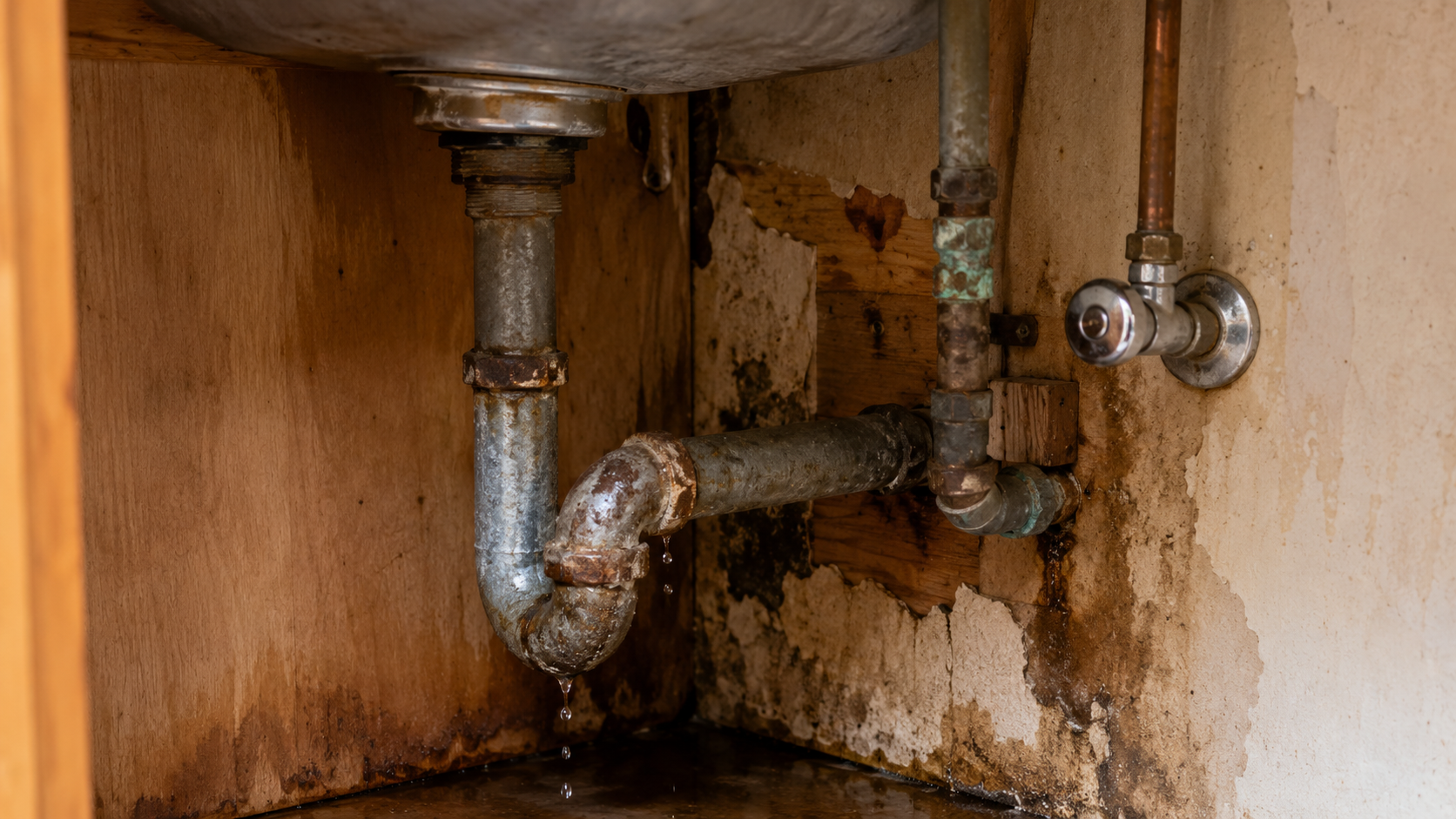
The problem with galvanized pipes is that they rust from the inside out. We often compare it to clogged arteries in the human body. From the outside, your pipes might look perfectly sturdy. But internally, rust and mineral deposits are accumulating, slowly restricting the flow of water. By the time you notice a drop in water pressure or see a pinhole leak, the internal damage is usually catastrophic.
Supply vs. Drain Lines
It is also important to remember that a plumbing system has two sides: the water coming in (supply) and the water going out (sewer). If your home is old enough to have galvanized supply lines, it is highly likely you are also dealing with aging cast iron or clay sewer pipes, which are prone to root intrusion and shifting soil.
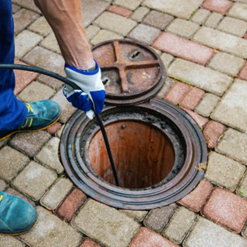
While repiping handles the incoming water, we often recommend homeowners inspect their drainage systems simultaneously. Understanding the condition of your sewer lines ensures you aren't fixing one half of the system while the other half is waiting to fail.
Why San Jose Water Specifically Attacks Your Pipes
If you live in Evergreen, Silver Creek, or down in the valley floor, you are likely familiar with the white, chalky residue that builds up on your showerheads and glass doors. That is an example of San Jose’s hard water.
Our local water has a high mineral content, specifically calcium and magnesium. While these minerals are safe to drink, they are brutal on your plumbing infrastructure. Over time, this "scale" builds up inside your pipes, narrowing the diameter and forcing your system to work harder to move water.
The Cost to Your Appliances
For homeowners who have invested in high-end appliances, whether it's a Miele dishwasher, a Sub-Zero refrigerator with an ice maker, or a luxury steam shower, hard water is a silent liability. That same scale blocking your pipes is also accumulating inside the sensitive components of these machines, leading to early failure and voided warranties.
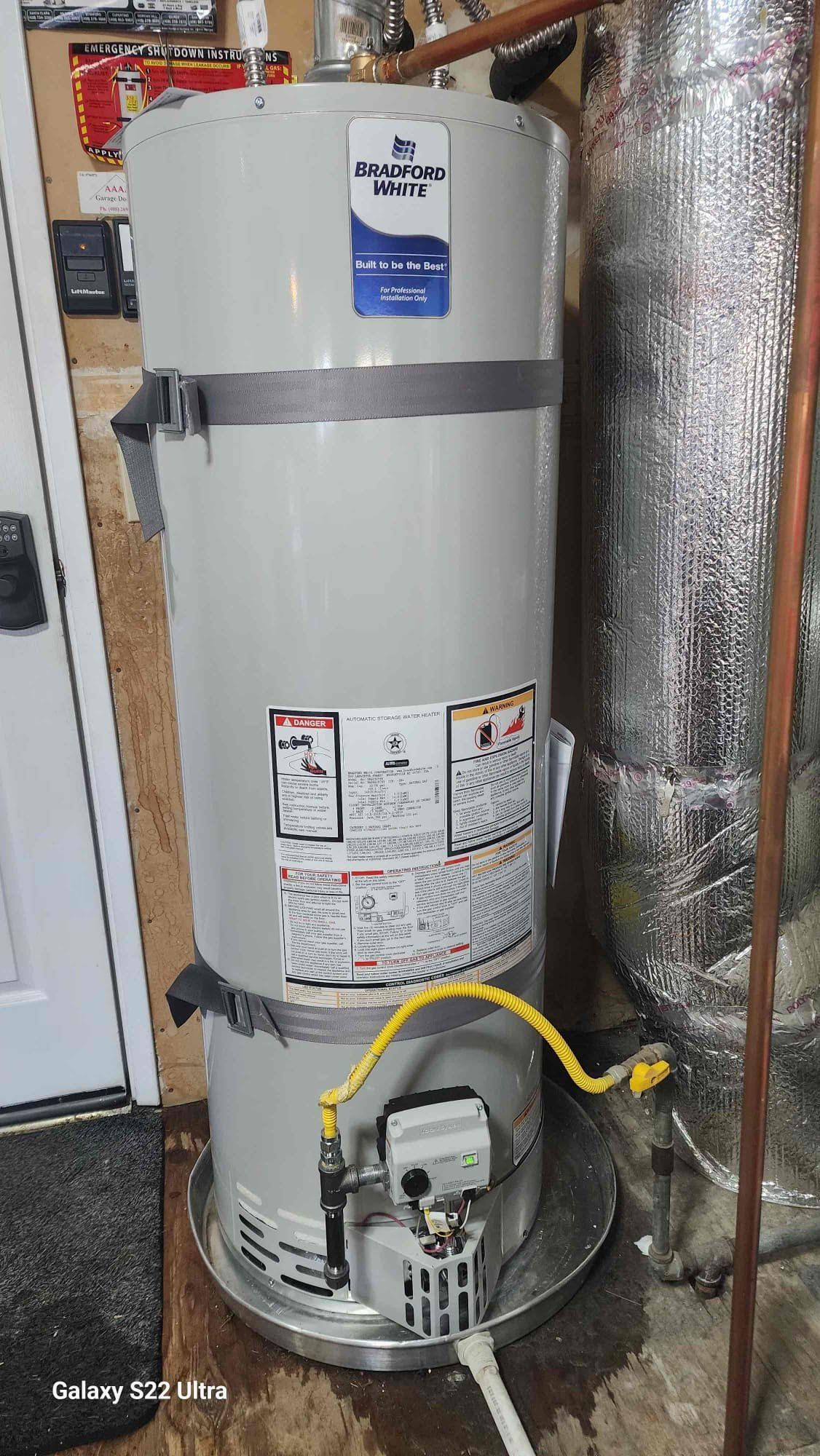
This is particularly true for your water heater. Scale buildup creates a layer of sediment at the bottom of the tank (or on the heat exchanger of tankless units), which insulates the water from the heat source. This forces the unit to run longer and hotter to do the same job, skyrocketing your utility bills and shortening the unit's lifespan. (If you hear a "popping" or "rumbling" noise from your tank, that is the sound of sediment cooking. This is a clear sign you need water heater services immediately).
The Chloramine Factor: Why Copper Isn't Always Safe
Even if you have copper pipes, you aren't entirely immune. The San Jose Water Company and other local municipalities often treat water with chloramines (a combination of chlorine and ammonia) to kill bacteria. While effective for sanitation, chloramines can be aggressive toward copper, leading to what we call "pinhole leaks." These are tiny, needle-sized leaks that spray mist behind your walls, often going undetected until mold has already formed.
5 Signs Your San Jose Home Needs a Whole-House Repipe
You don't need X-ray vision to know if your pipes are failing. Your home is likely already telling you. Here are the most common symptoms we see in San Jose homes:
- The "Morning Shower" Pressure Drop: If someone flushes a toilet or turns on the kitchen sink and your shower turns into a trickle, your pipes are likely so clogged with rust that they can no longer handle simultaneous volume.
- Rust-Colored Water: If the water looks brown or yellow when you first turn on the tap after being away for a weekend, that is rust flaking off the inside of your galvanized pipes.
- Temperature Shock: Do you get scalded in the shower when the washing machine starts? This is a symptom of corroded pipes unable to maintain balanced pressure between hot and cold lines.
- Visible Corrosion on Exposed Pipes: Go into your crawl space or look under your sinks. If you see white oxidation or rust on the outside of the pipes, it is exponentially worse on the inside.
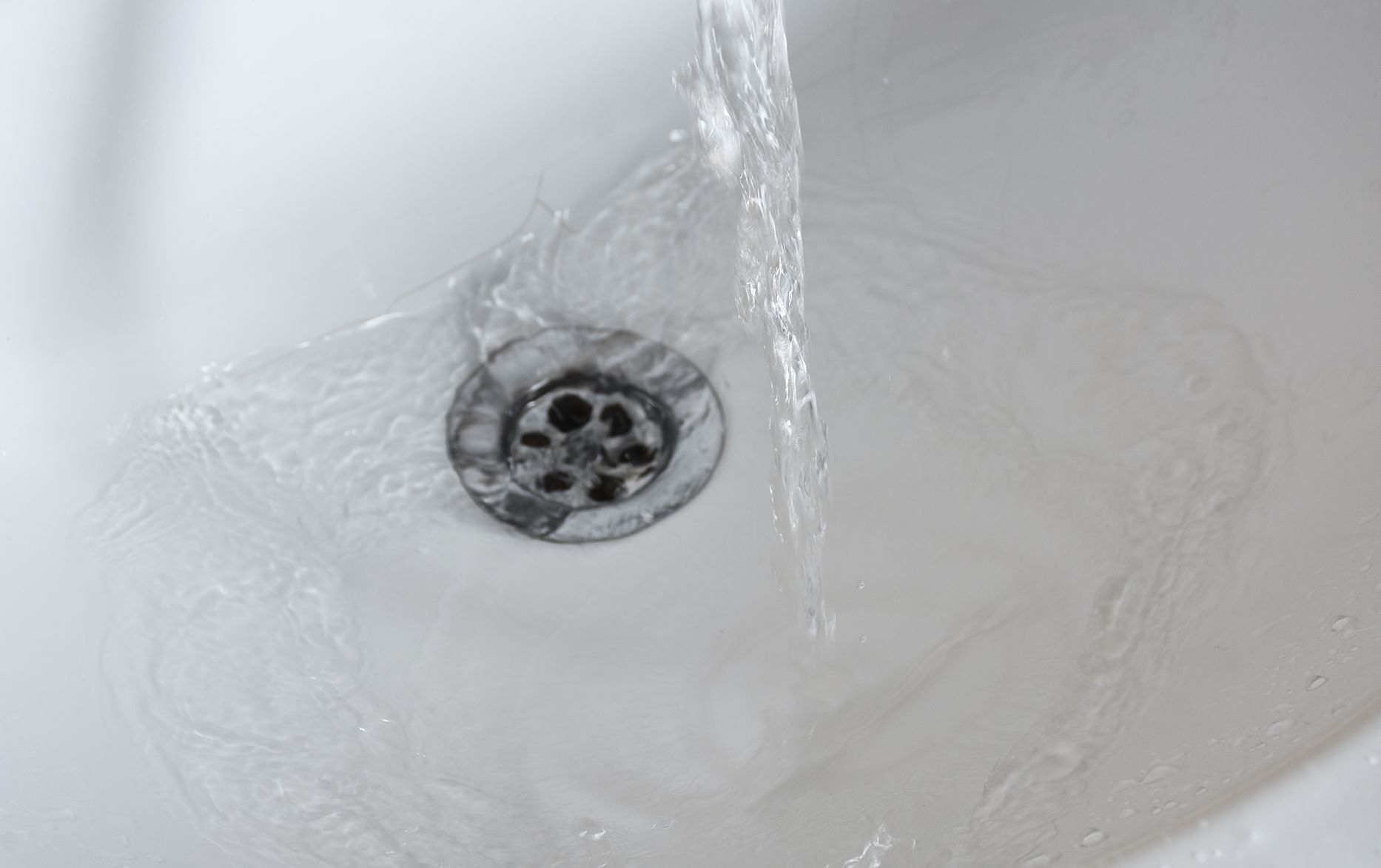
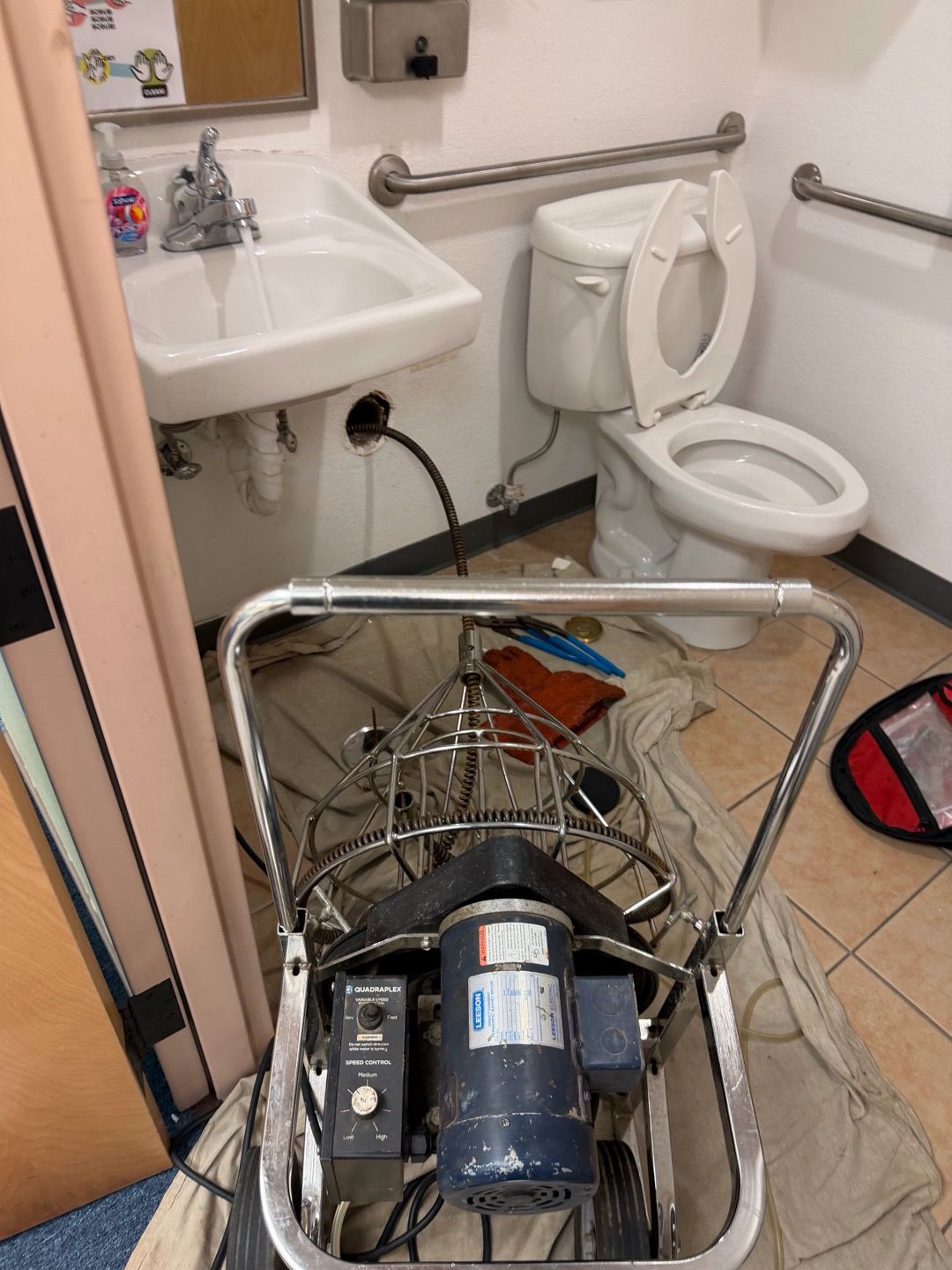
- Stubborn Clogs: Sometimes, what looks like a simple clog is actually a pipe that has collapsed or become so rough on the inside that waste catches on the metal burrs. While we can often solve immediate issues with professional drain cleaning, recurrent clogs in the same fixture are often a structural cry for help.
Copper vs. PEX: What’s Best for Silicon Valley Homes?
Once you decide to repipe, the next question is always the material. In the plumbing industry, this is the great debate: Classic Copper vs. Modern PEX (Cross-linked Polyethylene).
For our San Jose clients, particularly those in earthquake-prone areas (which is all of us), we often lean towards PEX, but both have their benefits.
1. Copper: The Traditional Gold Standard
Copper is durable, bacteriostatic (resists bacteria growth), and adds a certain prestige to the home’s resale value. However, as we mentioned earlier, San Jose’s chloramine-treated water can be aggressive toward copper over decades. It is also rigid, which means installation requires opening up more walls to fit the pipes in place.
2. PEX: The "Smart" Choice for Retrofits
Think of PEX as the plumbing equivalent of a tech upgrade. It is flexible, which allows us to "fish" the pipe through walls like an electrical wire, significantly reducing the amount of drywall we need to cut.
- Seismic Safety: Because PEX is flexible, it can withstand the shifting of the ground during minor earthquakes better than rigid metal pipes, which may snap at the joints.
- Thermal Efficiency: PEX doesn't conduct heat as well as copper, meaning your hot water stays hot longer as it travels from your water heater to your shower.
If you aren't sure which is right for your home, our repiping specialists can assess your specific layout and budget to make a recommendation.
The Venture Difference: "White Glove" Service in a Dirty Industry
The number one reason homeowners in Willow Glen or Almaden delay repiping isn't the cost. It's the fear of destruction. You have beautiful hardwood floors, custom cabinetry, and landscaping you don’t want ruined.
We get it. That is why Venture Plumbing operates differently. We treat your home less like a construction site and more like a medical environment, here's how.
- Shoe Covers, Always: We don't track the outside in.
- Floor Protection: We lay down heavy-duty protection on all traffic areas before a single tool is brought inside.
- Dust Containment: We use plastic sheeting to seal off work areas, ensuring the dust from cutting drywall doesn't migrate to your bedroom or kitchen.
- Masterful Patching: We don't just leave you with holes in the wall. Our team ensures that any access points created are clean and ready for patching.
We differentiate ourselves by prioritizing your experience. We want you to feel the upgrade in your water pressure, not see the evidence of the work on your floors. You can learn more about our team and our commitment to service on our about us page.
Not Ready to Commit? Start with a Diagnosis
If you suspect you have a leak but aren't ready for a full repipe, don't guess. A small leak in a slab foundation or behind a bathroom wall can rot wood and attract termites long before you see water. We offer professional leak detection services to pinpoint the exact source of the problem before we discuss solutions.
Frequently Asked Questions About Repiping in San Jose
How much does it typically cost to repipe a house in San Jose?
In the Bay Area, a whole-house repipe typically ranges from $8,000 to $20,000+. This wide range depends heavily on your home’s size, the number of bathrooms, and the material used.
A standard 3-bedroom/2-bath home using PEX piping will be on the lower end, while a larger home in Almaden or Silver Creek using Copper piping will be on the higher end due to material costs and labor intensity.
Do I need a permit to repipe my house in San Jose?
Yes. Whether you are in the City of San Jose, Santa Clara, or unincorporated County pockets, a permit is required by law.
City of San Jose: Most repipes qualify for a "Simple Permit" which can be issued quickly online via SJPermits.org.
Unincorporated County: If your tax jurisdiction falls outside city limits, you must apply through the Santa Clara County Planning Department.
Our Role: As your licensed plumbing contractor, Venture Plumbing handles all permitting, scheduling inspections, and ensuring code compliance so you don't have to.
How hard is San Jose water, and does it matter for new pipes?
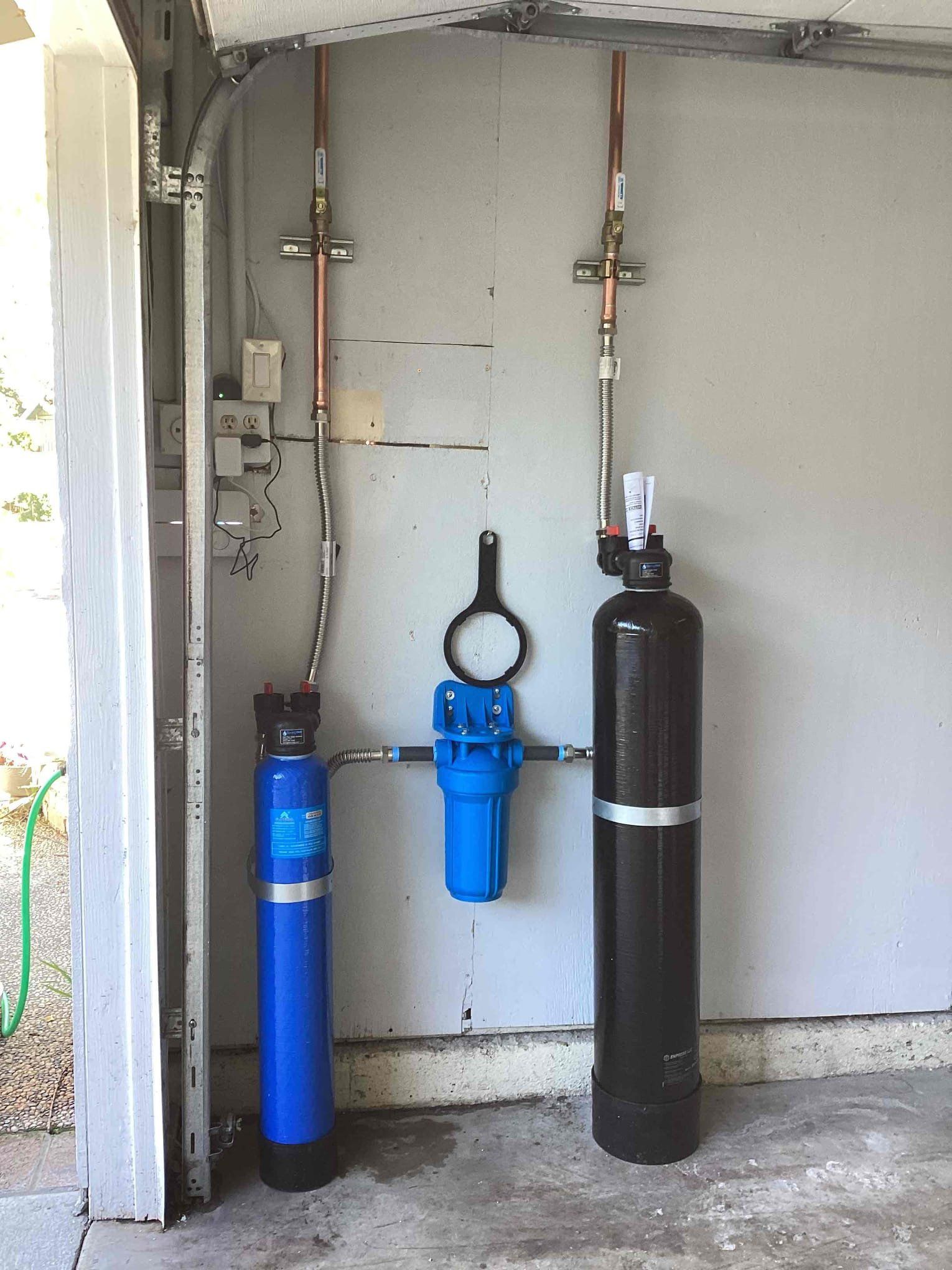
San Jose water is classified as "Hard" to "Very Hard," typically measuring between 8 to 15+ grains per gallon. This high mineral content is the primary enemy of plumbing. While PEX is immune to the corrosion that destroys galvanized steel, the scale can still affect your fixtures. Many homeowners choose to install a water conditioner or softener simultaneously with their repipe to protect their investment.
Conclusion: Don't Wait for a Flood to Upgrade Your Home
San Jose homes are an investment. Whether you plan to sell your home in Willow Glen in a few years or pass your Almaden Valley home down to your children, the plumbing inside the walls is just as important as the curb appeal outside.
Ignoring the signs of aging galvanized pipes or the effects of hard water doesn’t make the problem go away. It just makes the eventual repair more expensive. A proactive repipe not only protects your property from water damage but also improves your daily quality of life. Imagine a shower with consistent pressure, tap water that runs clear instantly, and the peace of mind knowing your home is secure.
At Venture Plumbing, we are proud to be the team that Silicon Valley homeowners trust with their most valuable asset. We deliver technical excellence with a neighborly touch.
Ready to protect your home? Don’t guess about the health of your pipes. Contact Venture Plumbing today to schedule a consultation. We’ll assess your current system, explain your options clearly, and give you a plan that fits your home and your life.