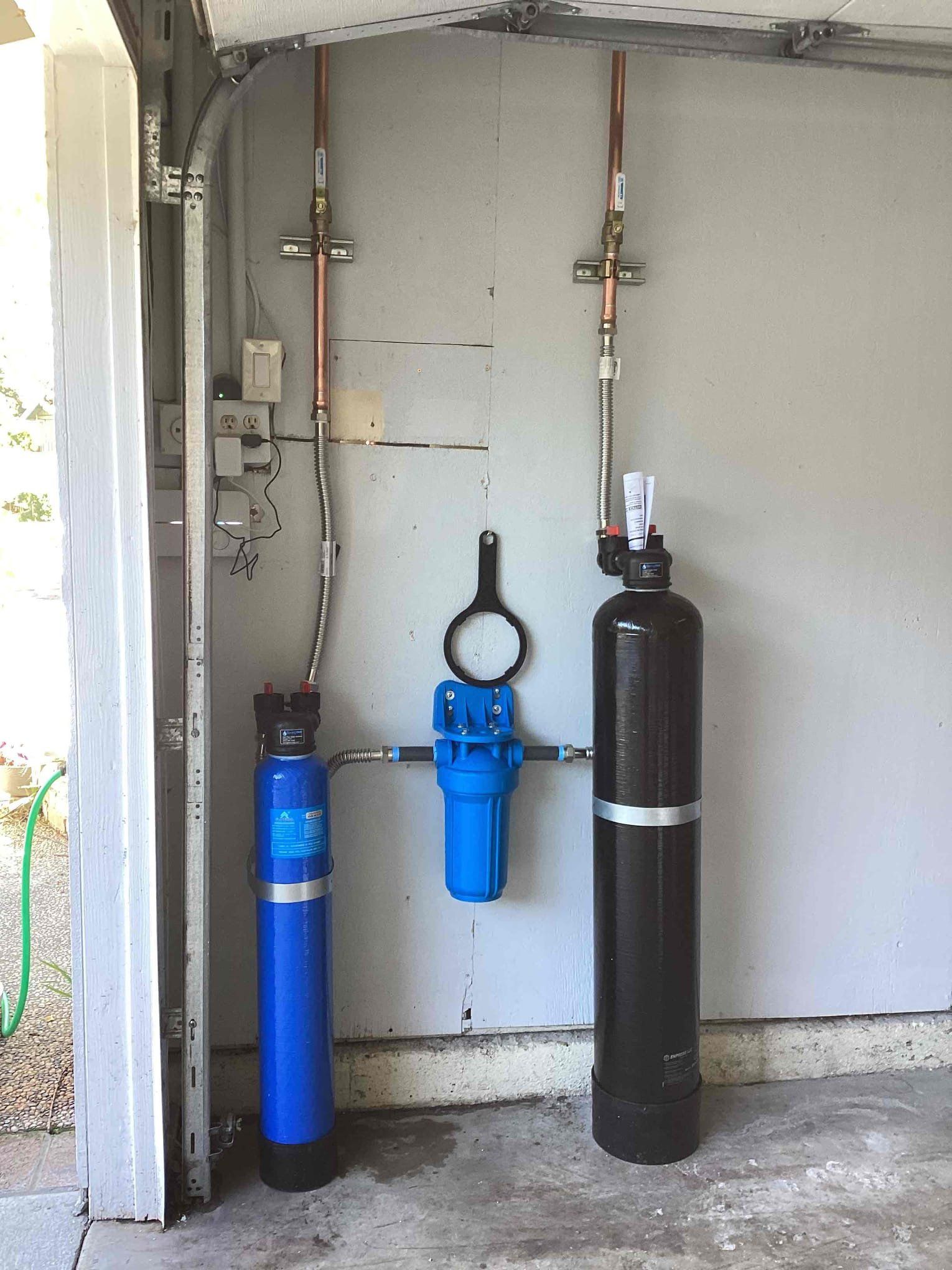
Full Home Repipe in Campbell: Galvanized Pipe Replacement + Gas System Overhaul
March 26, 2026
A Campbell homeowner was sitting on a plumbing and gas system that had been quietly aging out for years. The home still had original galvanized and aging copper supply lines running through the basement and first floor walls, a gas system that had never been properly sized or updated, and a kitchen drain configuration that was overdue for attention. When Venture Plumbing came in to assess the full scope, the decision to do a comprehensive renovation rather than continue patching made itself.
This is one of the more complete whole-home system overhauls we have completed in Campbell. The project covered a full Type L copper repipe, a ground-up gas system replacement, a new 50-gallon water heater, and a kitchen drain line upgrade, all with drywall restoration included.
What We Found
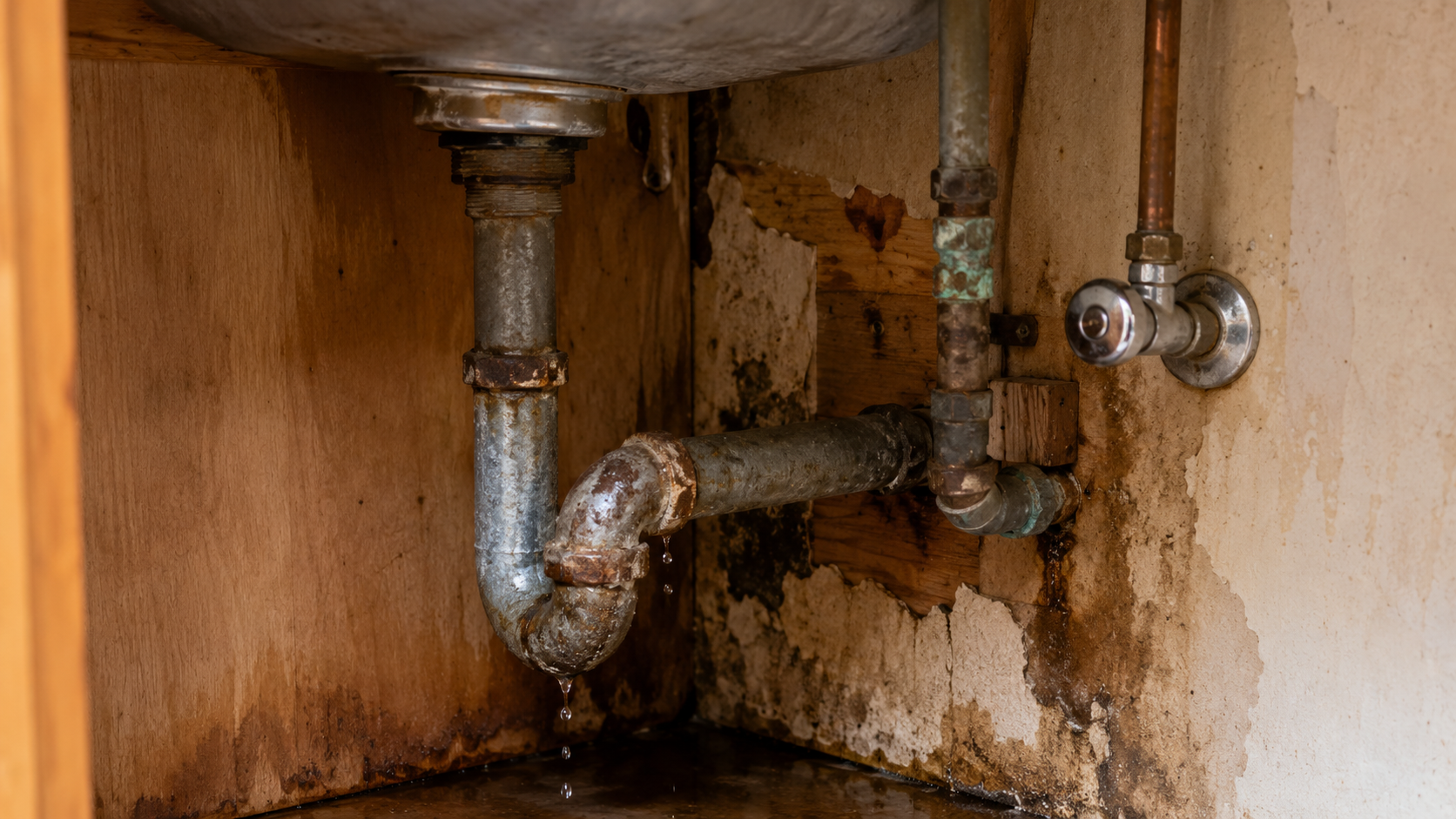
The existing water supply system was a mix of galvanized steel and aging copper running through the basement and up into the first floor walls. Galvanized pipe in Campbell homes from this era is a known problem. The zinc coating that originally protected the steel corrodes from the inside out over decades, leaving behind rust buildup that restricts flow, discolors water, and eventually leads to leaks. Once galvanized pipe reaches that stage, individual repairs are a short-term answer to a whole-system problem.
The gas system had similar issues. The existing piping was not properly sized for the appliance load it was serving, which in this home included a furnace, water heater, dryer, fireplace, and a connection to a separate cottage supply line. An undersized or aging gas system is both an efficiency problem and a safety concern. We identified active gas leaks in the system during our full gas test, which made the case for a complete replacement rather than targeted repairs.
The kitchen drain also needed attention. The existing configuration lacked a proper sanitary tee and cleanout, making future service more difficult and leaving the drainage system without a standard access point.
What We Did
The project ran across multiple days with a full crew and covered three separate systems.
Full Type L Copper Repipe
We demoed and removed all existing galvanized and copper water supply lines from the basement and first floor walls. Every foot of old pipe came out. In its place we installed all new Type L copper throughout the basement and up to every fixture in the building, including the kitchen, laundry, both bathrooms, the water heater, the main line at the front of the building, and a second floor bathroom tie-in. Auxiliary lines feeding back units were tied in underground. All hot water supply piping was insulated to reduce heat loss and improve delivery time to fixtures.
Type L copper is the thicker-walled standard we use on all whole-house repipes. It is more resistant to pinhole leaks than Type M and is the appropriate choice for a home that will not need this work done again for decades.
Drywall was opened at bathroom fixtures and the kitchen to access the existing supply lines. Our subcontractor patched and painted all access points to match the existing finish, returning every room to its original condition before we closed out the job.
New 50-Gallon Water Heater
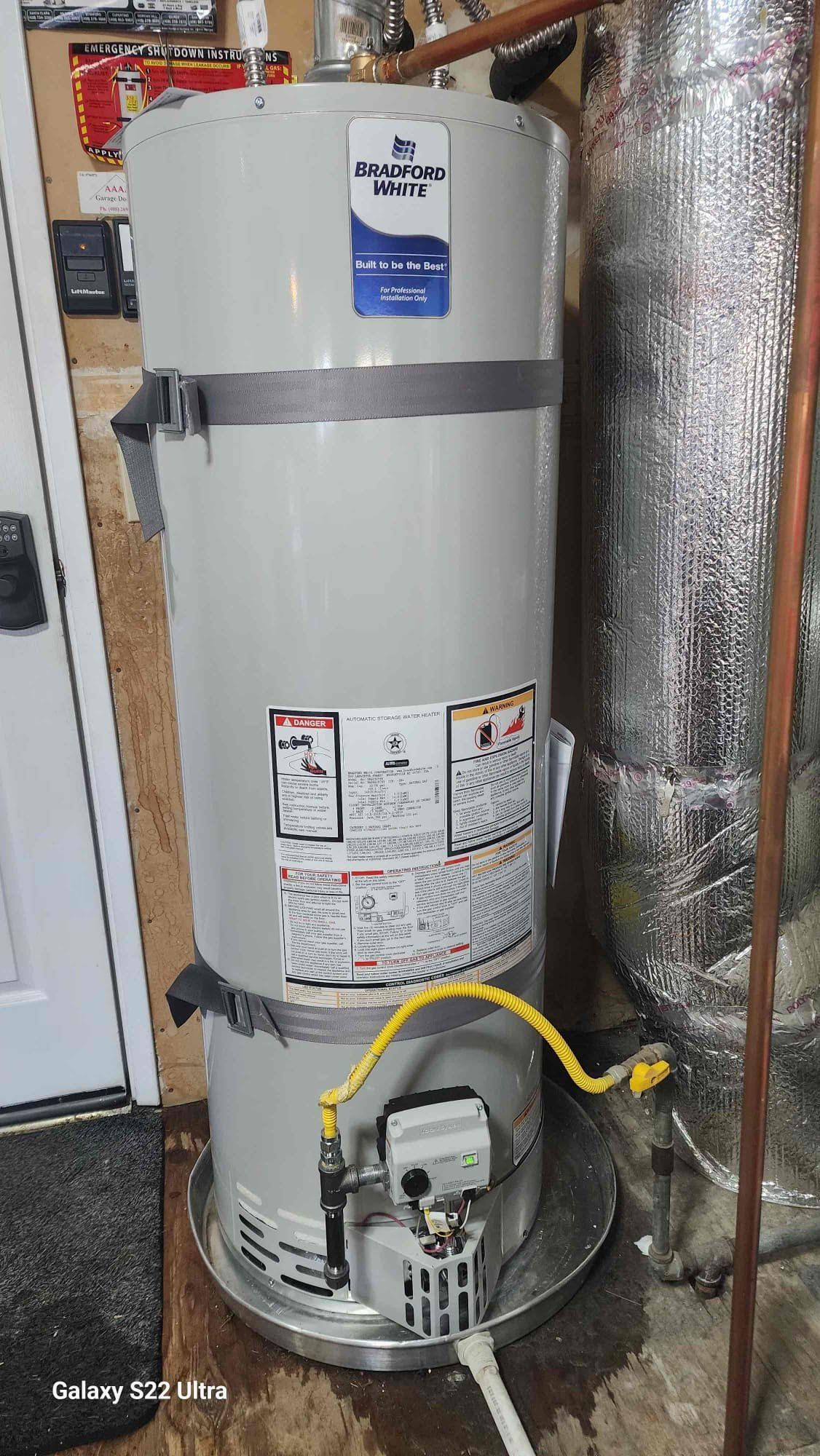
As part of the repipe, we installed a new 50-gallon water heater with all modern code upgrades. Replacing the water heater at the same time as a repipe is the right call. The new unit connects to fresh copper lines, comes with a full warranty, and benefits immediately from the cleaner water supply the new piping provides.
Ground-Up Gas System Replacement
We removed the entire existing gas system from the main building and hauled all old piping off site. In its place we designed and installed a new, properly sized gas system from the meter out to all five appliance connections: the furnace, water heater, dryer, fireplace, and cottage supply line.
Proper sizing matters. An undersized gas system means appliances are not getting the volume they need to operate efficiently. We sized the new system to handle the full appliance load with appropriate capacity at each connection.
Before any final connections were made, we performed a 15 PSI air pressure test on the new system to confirm there were zero leaks before gas was ever introduced. New modern shutoff valves were installed at every appliance location, and new supply lines were run throughout. We made all final connections and fired up every appliance before leaving the job.
Kitchen Drain Line Upgrade
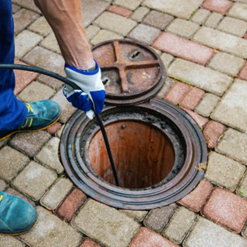
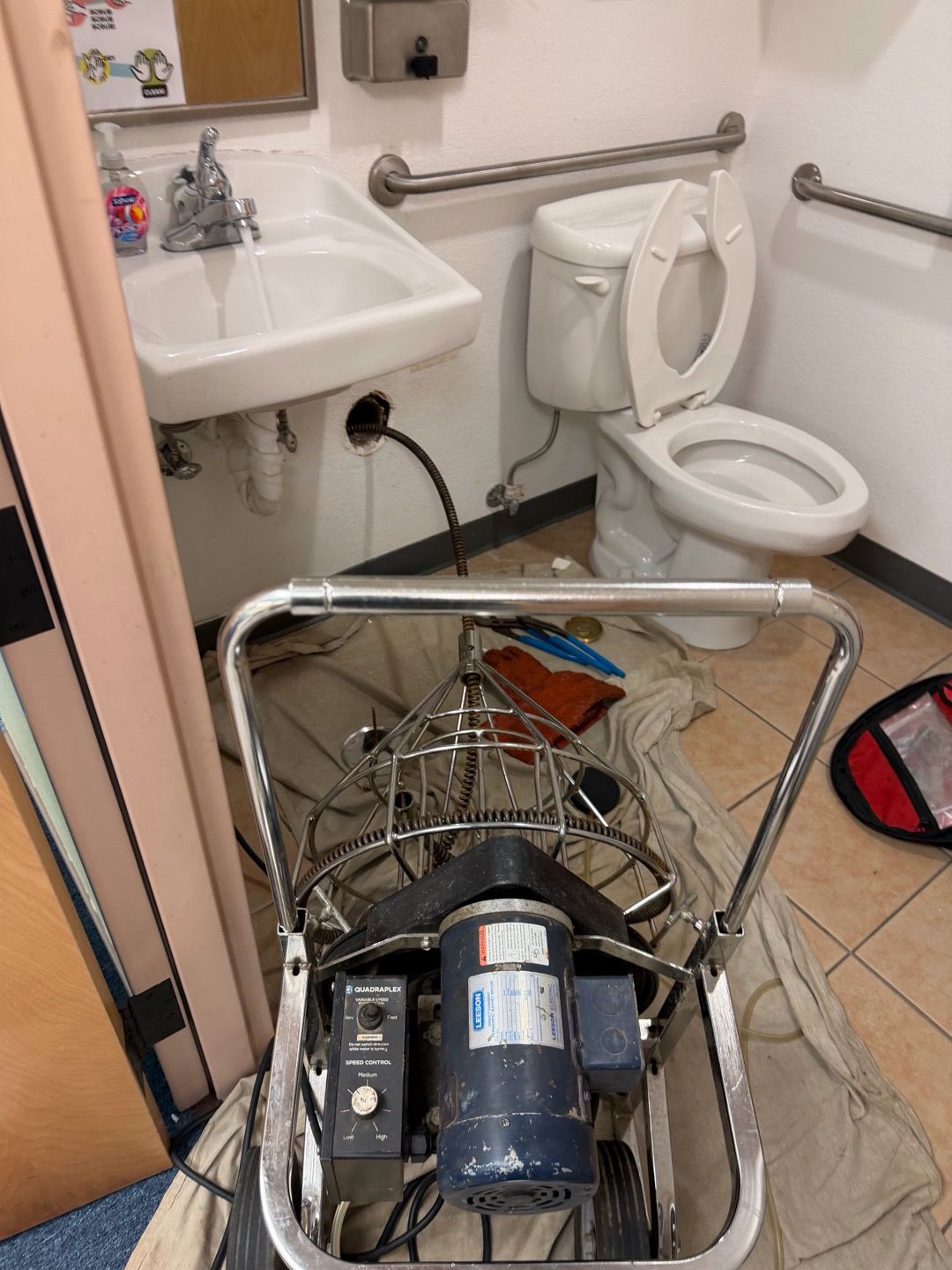
We demoed drywall to access the kitchen drain piping in the basement, installed a new sanitary tee and cleanout, and ran 20 feet of new 2-inch ABS drain line through the basement. All kitchen sink drainage in the cabinet was reconnected to the new configuration. Our subcontractor patched and painted the drywall to match. The kitchen now has a proper access point for any future drain service, which eliminates the blind access problem that was present before.
The Result
This Campbell home went from a mixed galvanized and aging copper supply system, an undersized and leaking gas system, and a kitchen drain without proper access to a fully modernized plumbing and gas infrastructure built to current code and sized correctly for how the home actually operates.
The repipe eliminates the rust, flow restriction, and leak risk that come with galvanized pipe towards the end of it's life. The new gas system resolves the active leaks we found and delivers proper volume to every appliance in the building. The water heater is new, the kitchen drain has a cleanout, and every wall that was opened is restored to match.
Campbell homes built before the 1970s that still have original galvanized supply lines are often operating on borrowed time. If your water pressure has been dropping, your hot water has a metallic taste, or you have had multiple small leaks in recent years, the pipe is likely the reason. A
whole-house repipe is a permanent solution that is set to last 50-70 years.