The Bay Area Gas Water Heater Ban: What South Bay Homeowners Need to Know Before 2027
March 27, 2026
Starting January 1, 2027, it will be illegal to purchase or install a new gas water heater anywhere in the nine-county Bay Area, including all of Santa Clara County. That means every city in our service area, from San Jose, Campbell, Los Gatos, Saratoga, Santa Clara, Cupertino, Palo Alto, Mountain View, and beyond, falls under this rule.
This is not a proposal. It is an adopted regulation from the Bay Area Air Quality Management District (BAAQMD), passed in March 2023 under amendments to Rule 9-6. It applies to the sale and installation of new water heaters, and it covers both tank and tankless gas units.
If your gas water heater is aging, has never been serviced, or is already showing signs of trouble, the next nine months represent the last window to replace it with a new gas unit on your own terms. After that, your only option for a replacement will be a zero-emission system, most likely an electric heat pump water heater, which may require significant electrical work depending on the age and configuration of your home.
This guide breaks down what the rule actually says, what it means for South Bay homeowners in practical terms, what your options are right now, and how to make the best decision for your home before the deadline arrives.
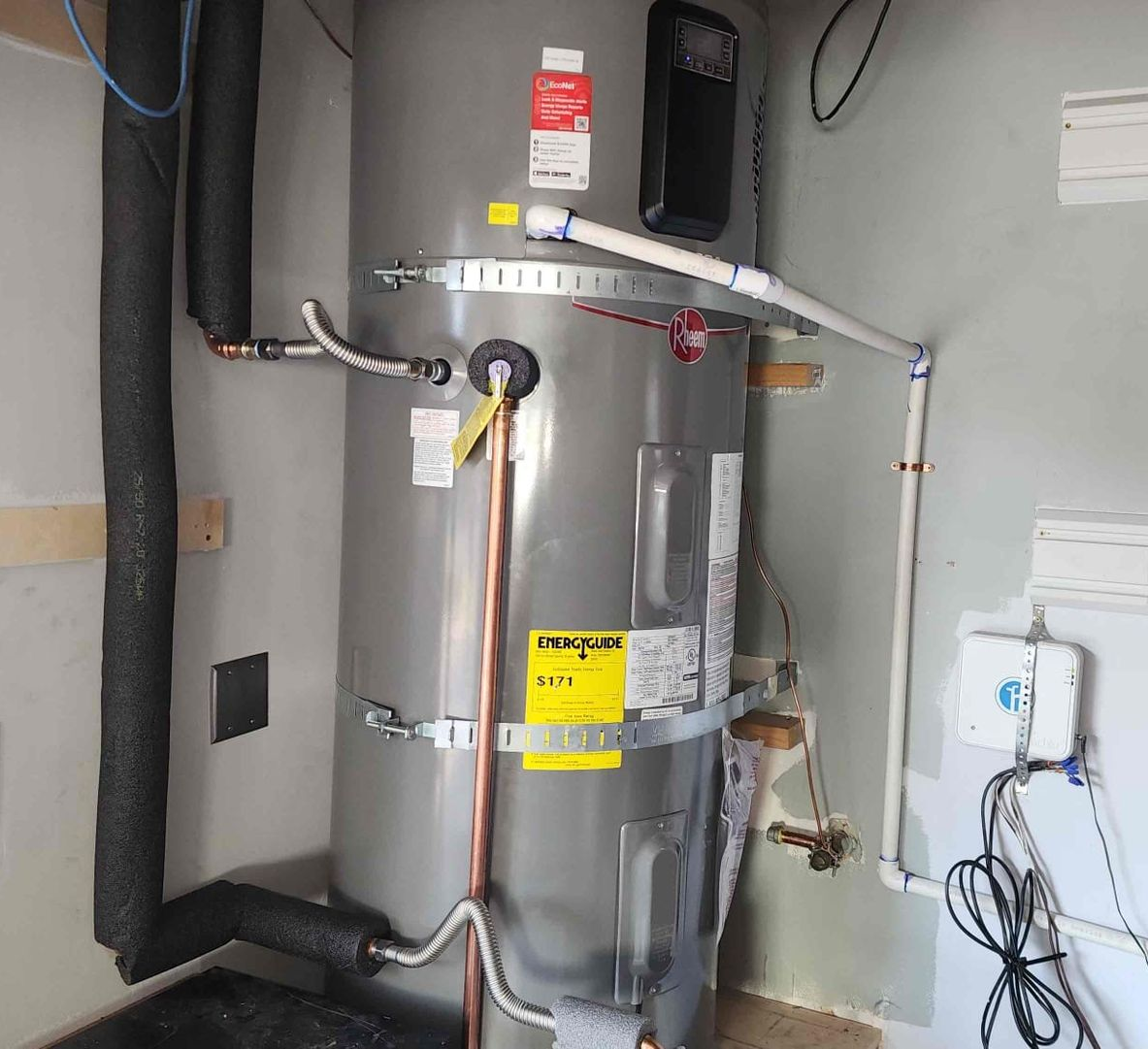
*Example of a split-system heat pump water heater installation. Most residential replacements under the BAAQMD ban will use integrated heat pump units from brands like Rheem, A.O. Smith, or Bradford White.
What the BAAQMD Rule Actually Says
The regulation is BAAQMD Rule 9-6: Nitrogen Oxides Emissions from Natural Gas-Fired Boilers and Water Heaters. It was adopted by the BAAQMD Board of Directors on March 15, 2023, and it sets a zero-NOx (nitrogen oxide) emissions standard for newly manufactured and installed water heaters across Alameda, Contra Costa, Marin, Napa, San Francisco, San Mateo, Santa Clara, Solano, and Sonoma counties.
Here is the timeline:
January 1, 2027: Gas water heaters under 75,000 BTU/hr (which covers essentially all residential tank and tankless units) can no longer be sold or installed in the Bay Area.
January 1, 2029: Gas furnaces for space heating fall under the same zero-emission requirement.
January 1, 2031: Larger commercial water heaters (75,000 to 2 million BTU/hr) must comply.
Here are a few critical details that are often misunderstood:
This Is Not a Retrofit Mandate
You do not have to rip out your existing gas water heater. The rule applies only to new sales and installations, your current unit can stay in service for as long as it runs.
It Applies At The Point Of Sale
After January 1, 2027, licensed contractors will not be able to legally purchase or install a non-compliant gas water heater for your home and retailers will not be able to sell them in the nine-county region.
It Covers Both Tank and Tankless
If the unit burns natural gas and falls under 75,000 BTU/hr, it is subject to the ban. This includes standard 40 and 50 gallon tank water heaters, as well as gas tankless units from manufacturers like Rinnai, Navien, and Noritz.
Gas Stoves Are Not Included
Rules 9-4 and 9-6 apply only to water heaters and furnaces, not to cooking appliances.
As of late 2025, BAAQMD released a Concepts Paper exploring potential amendments to address affordability and availability concerns, including a possible exemption for very small tank sizes (35 gallons and under) where no heat pump alternative currently exists. However, no formal amendments have been adopted as of this writing, and the January 1, 2027 compliance date for residential water heaters remains in effect.
Why This Matters More for Older South Bay Homes
If you live in a newer home built in the last 10 to 15 years, the transition to a heat pump water heater may be relatively straightforward. Your electrical panel is likely 200-amp service, you probably have room in your garage or utility area, and the wiring infrastructure can accommodate a new 240-volt circuit without major renovation.
But a large portion of the older homes in our service area were not built with all-electric water heating in mind. That is where the real cost and complexity comes in.
Homes Built Before 1980: Homes across San Jose's Willow Glen, Cambrian Park, Rose Garden, and Almaden Valley neighborhoods, as well as older homes in Campbell, Los Gatos, and Saratoga, commonly have 100-amp electrical panels that are already near capacity. Adding a heat pump water heater (which typically requires a dedicated 30-amp, 240-volt circuit) may push the system past its limits and trigger a full panel upgrade to 200-amp service.
A panel upgrade alone can cost several thousand dollars and requires a permit, an electrician, and in many cases coordination with PG&E for the service connection. That process can take weeks or months, not days.
Eichler Homes and Mid-century Slab-on-Grade Construction: These present additional considerations. Many of these homes have compact utility areas, limited ventilation, and electrical systems that were sized for 1960s appliance loads. Heat pump water heaters also need adequate surrounding air volume (typically at least 700 cubic feet of space) to operate efficiently, since they pull heat from the ambient air. A cramped utility closet or a small water heater alcove may not meet that requirement without modification.
Hillside and Mountain Properties: Homes in Los Gatos (95033), Saratoga, and the foothills areas may face even higher costs if long electrical runs are needed from the panel to the water heater location.
The Santa Clara County Association of Realtors surveyed local contractors and found estimated costs for full home electrification (water heater, furnace, and associated electrical work) ranging from approximately $44,000 to over $200,000 depending on the age and condition of the home. While those figures reflect a full electrification scope beyond just the water heater, they illustrate the scale of the infrastructure challenge for older South Bay housing stock.
BAAQMD's own reporting acknowledges that water heater replacement costs can range from roughly $2,900 to over $38,000 when electrical upgrades and space modifications are factored in.
Your Options Right Now: Understanding the 2026 Window
Because the rule only applies to units manufactured after January 1, 2027 and only restricts new sales and installations after that date, 2026 is the last year you can proactively replace an aging gas water heater with a new gas unit.
Here is what that means in practical terms:
Option 1: Replace Your Gas Water Heater Now (Before December 31, 2026)
If your current gas water heater is 8 years or older, has never been flushed, is showing signs of sediment buildup, or is producing inconsistent hot water, replacing it now with a new gas unit gives you the longest runway before you are forced into an electric conversion.
A new tank water heater has a typical lifespan of 10 to 15 years. A quality gas tankless water heater can last 20 years or more with proper maintenance. That means a replacement installed in 2026 could carry your home well into the late 2030s or beyond before you need to address the electric transition.
This is the option that gives you the most control over timing and cost. You choose the unit, you choose the contractor, and you do it under normal market conditions rather than in a rush when your old unit fails after the ban.
We recently completed a comprehensive water heater replacement for a San Jose homeowner whose 8-year-old tank had never been serviced. Sediment from San Jose's hard water had migrated through the entire plumbing system, clogging faucet aerators and restricting flow at multiple fixtures. The project included upgrading from a 40-gallon to a 50-gallon tank, replacing the garbage disposal, installing new faucets, and overhauling shut-off valves and supply lines throughout the home. That is the kind of proactive work that makes sense to do now while you still have the full range of options available.
Option 2: Switch to a Heat Pump Water Heater Now
If your home already has the electrical capacity to support a heat pump water heater (200-amp panel, available circuit space, adequate installation area), making the switch now rather than later lets you get ahead of the curb before prices for heat pump water heaters surge, as well as allowing you to take advantage of whatever rebates and tax credits are currently available.
The federal 25C Energy Efficient Home Improvement Credit offers up to $2,000 for qualifying heat pump water heaters. State programs through TECH Clean California have offered rebates of $1,000 to $3,100 or more depending on income eligibility, though as of early 2026 many single-family allocations are fully reserved with waitlists in place. Local community choice energy providers like Silicon Valley Clean Energy (SVCE) and Peninsula Clean Energy have also offered supplemental rebates in some cities.
The rebate landscape shifts frequently. Programs run out of funding, new allocations open up, and eligibility requirements change. If you are considering this path, check current availability through switchison.org and your local utility provider before committing.
Newer 120-volt "plug-in" heat pump water heaters are now entering the market. These units can connect to a standard household outlet without requiring a dedicated 240-volt circuit or a panel upgrade, which dramatically reduces the electrical cost barrier for older homes. The technology is still relatively new, and capacity and recovery rates are lower than 240-volt models, but it is worth evaluating for homes where a panel upgrade is the main cost obstacle.
Option 3: Do Nothing and Wait
If your current water heater is relatively new and functioning well, there is no immediate action required. The rule does not mandate replacing a working gas unit.
However, if that unit fails after January 1, 2027, you will be in a very different position. You will need to install a zero-emission replacement, likely under emergency conditions, potentially facing weeks of permitting and electrical work before you have hot water again. Contractor availability and equipment supply will both be strained as thousands of Bay Area households face the same situation simultaneously.
This is the highest-risk option for anyone whose water heater is more than 8 to 10 years old.
What About San Jose's Hard Water?
This is where the ban intersects directly with a problem we see every week in South Bay homes.
San Jose Water Company delivers water that tests between 7 and 10 grains per gallon of hardness. In some areas served by valley groundwater wells, hardness levels can be significantly higher. That mineral content accelerates sediment buildup inside tank water heaters, reduces efficiency, and shortens lifespan.
A tank water heater that should last 12 to 15 years in an area with softer water may only make it 8 to 10 in San Jose without regular flushing. A tankless unit is more resistant to tank-style sediment accumulation but can still suffer from scale buildup on its heat exchanger over time.
The practical implication: if you have hard water (and most homes in San Jose, Campbell, Santa Clara, Cupertino, and the valley floor cities do), your water heater is aging faster than you think. If it is already past the 8-year mark and has never been flushed, it could fail in 2027 or 2028, right when your replacement options become more expensive and more complicated.
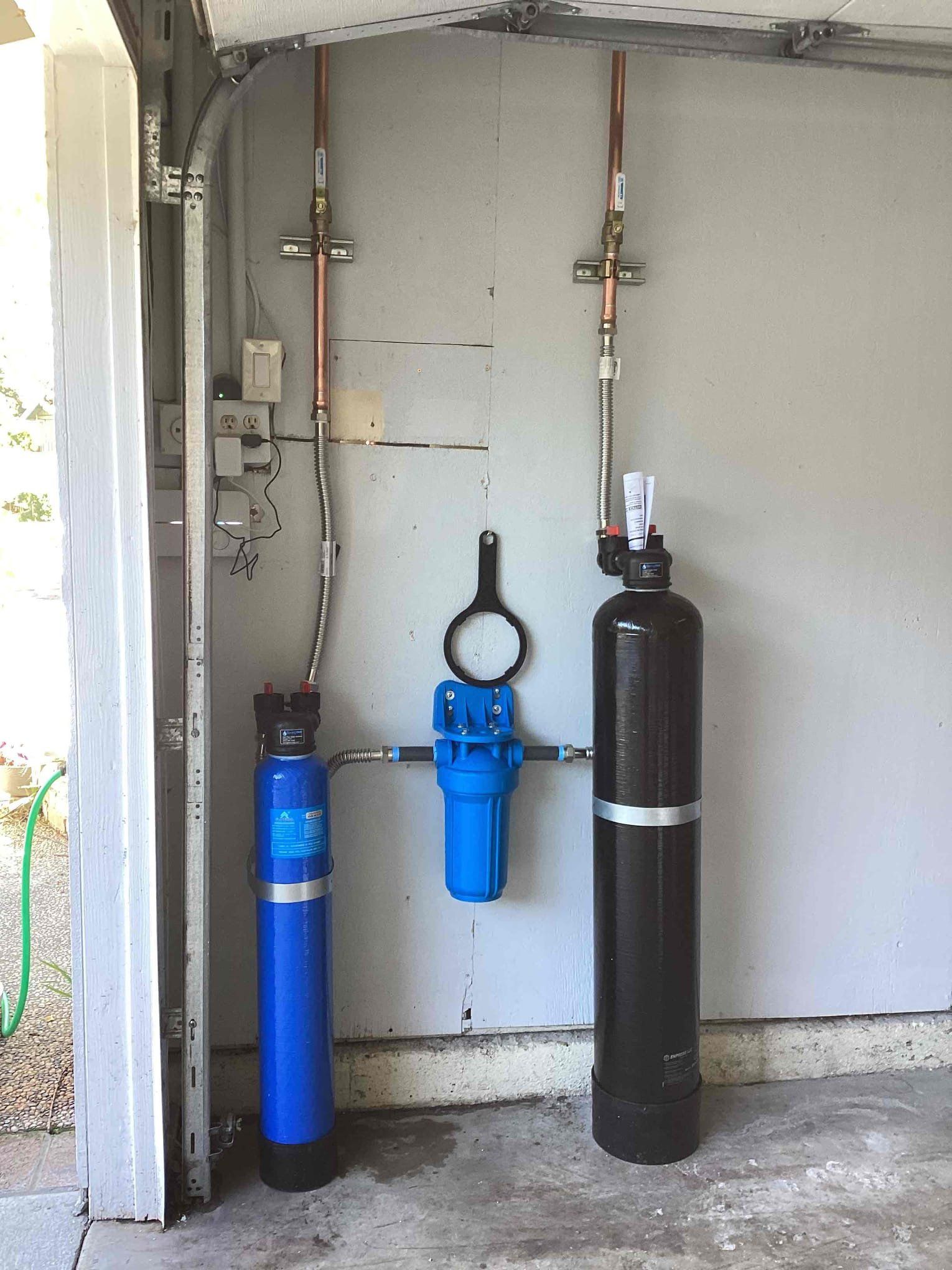
If you replace your water heater now, it is also a good time to evaluate whether a
whole-house water softener or filtration system makes sense for your home. Softening the water before it enters your new water heater protects the investment and extends the life of the unit, whether it is gas or eventually electric.
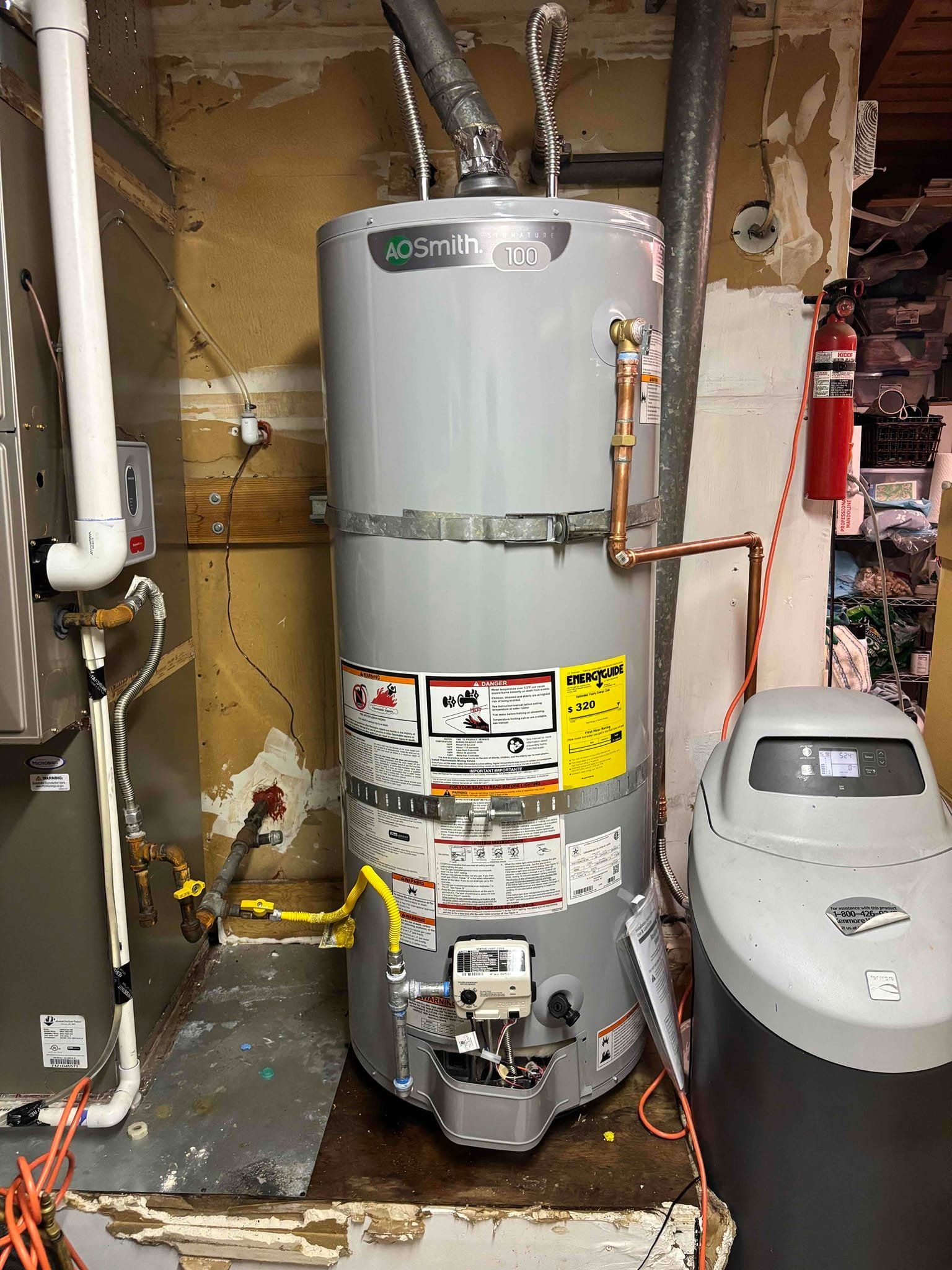
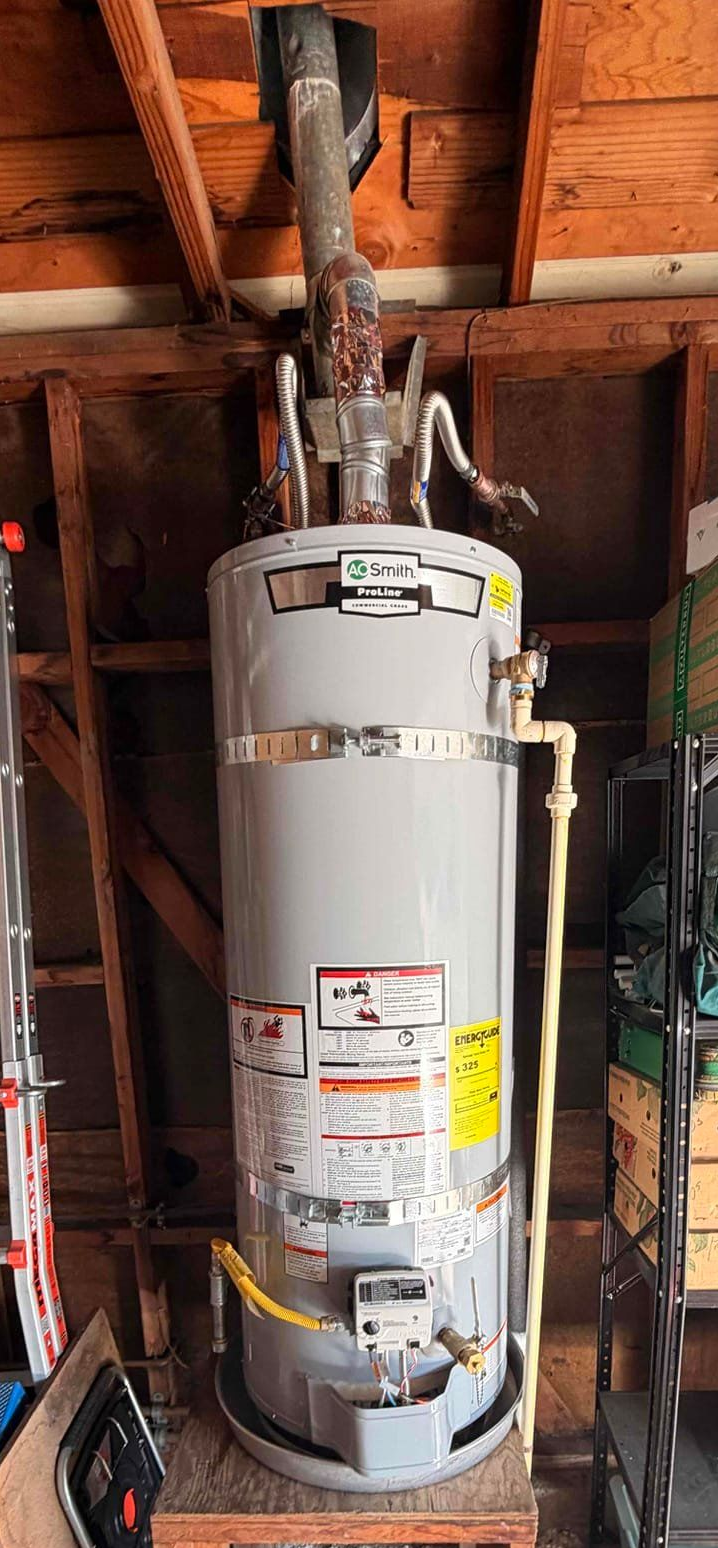
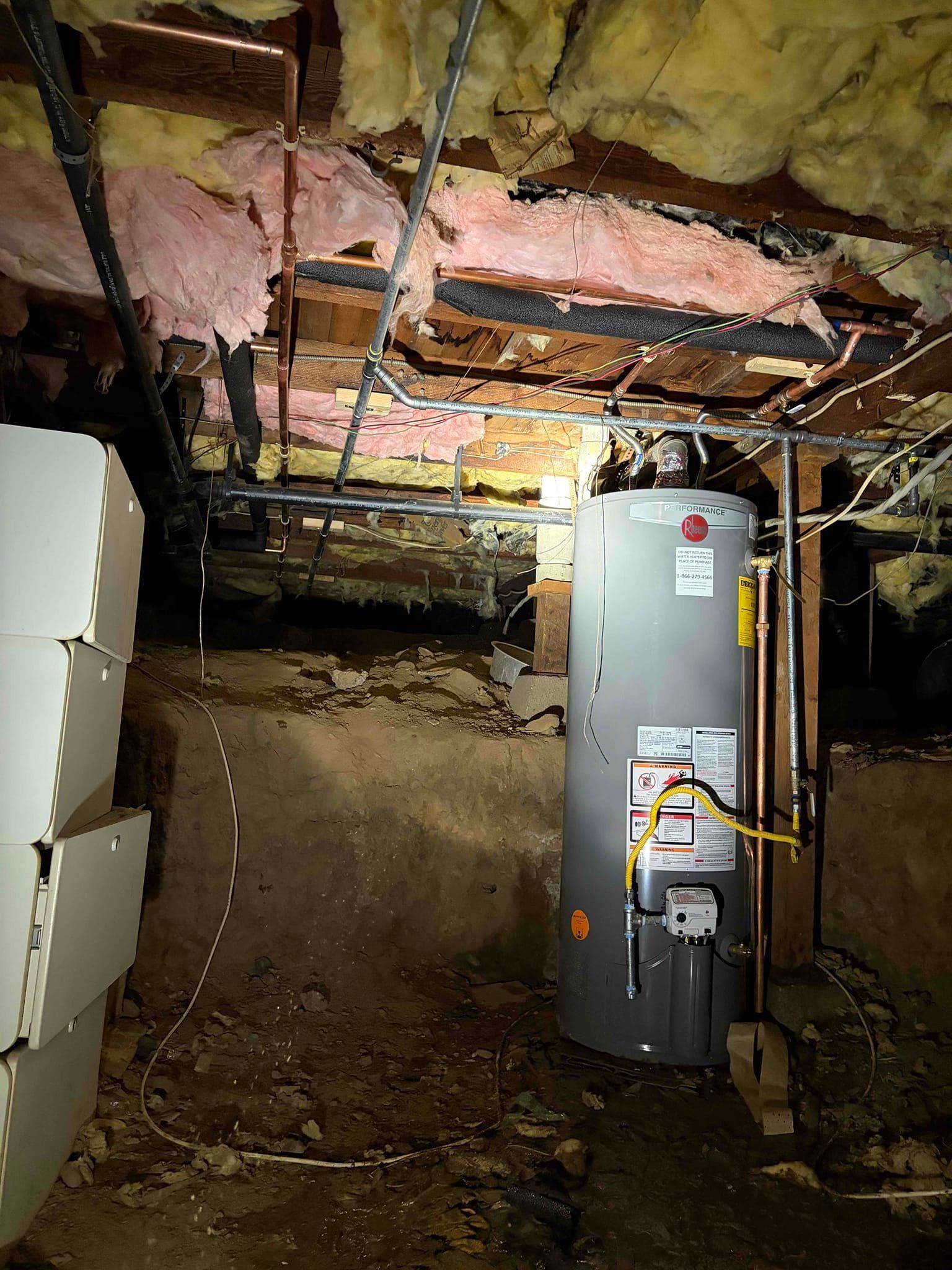
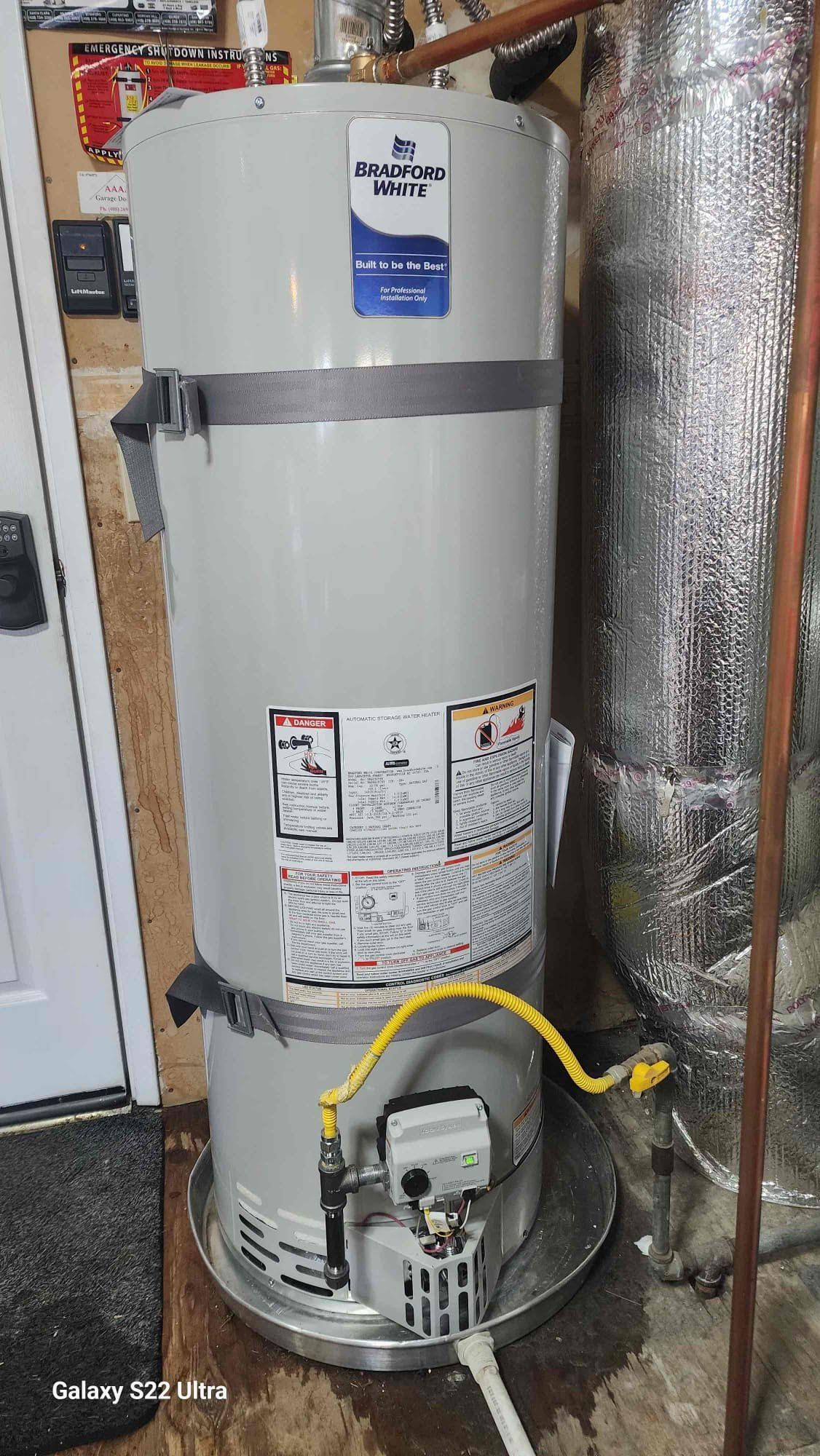
*Examples of natural gas water heater that will be prohibited for installation in the Bay Area starting January 1, 2027. All replacements must be zero-NOx electric models like heat pump water heaters.
How to Evaluate Where Your Home Stands
If you are trying to figure out whether to act now or wait, here is what to look at:
- Age Of Your Current Water Heater: Check the label on the unit for the manufacture date. If it was built before 2018, it is already 8+ years old and in the zone where failures become more common, especially in hard water areas.
- Condition of Your Water: If your hot water looks cloudy, has a metallic taste, or your faucet aerators are clogging with sediment, your water heater is already distributing buildup through your plumbing system. That is a sign the tank is overdue for service or replacement.
- Your Electrical Panel: Look at the main breaker. If it says 100 amps, a heat pump water heater installation will very likely require a panel upgrade. If it says 200 amps, you have more flexibility, but you will still need an available circuit and appropriate installation space.
- Your Water Heater Location: Heat pump water heaters need more clearance than gas units. They are taller, they need airflow, and they produce some noise during operation. A tight closet or small alcove may not work without modification.
- Your Timeline: If you are planning a kitchen or bathroom remodel, an ADU addition, or any project that involves opening walls or upgrading electrical, bundling a water heater replacement into that scope saves money and disruption. A
plumbing inspection can help you assess the current condition of your water heater, supply lines, and shut-off valves so you can make an informed decision about timing.
The Cost of Waiting
There is a real cost to letting the calendar make this decision for you. Consider what happens if your gas water heater fails in early 2027:
You call a plumber. They confirm the unit is dead. But they cannot legally install a new gas water heater. Your replacement must be zero-emission.
If your home needs a panel upgrade, that is a separate permit, a separate contractor (electrician), and a potential wait for PG&E to approve the new service connection. That process alone can take weeks. In the meantime, you have no hot water.
Now multiply that scenario across the Bay Area. BAAQMD estimates that approximately 120,000 water heaters turn over annually in the nine-county region. As the 2027 deadline passes and units start failing, the demand for heat pump installations, electrical upgrades, and associated permitting will surge. Contractor availability will tighten. Equipment lead times will increase. Costs will rise.
The homeowners who act in 2026, whether by installing a new gas unit that buys them another decade or by proactively transitioning to a heat pump on their own timeline, will avoid that crunch entirely.
What Venture Plumbing Recommends
We have been replacing water heaters in San Jose and across the South Bay since 2009. We work in the same neighborhoods that will be most affected by this rule: the 1950s and 1960s ranches in Cambrian Park and Willow Glen, the Eichlers in Cupertino, the older Victorians in downtown Los Gatos, the hillside customs in Saratoga.
For homeowners whose gas water heater is 8 years or older, our recommendation is straightforward: replace it now, before the end of 2026. A new gas tank or tankless water heater installed this year gives you a long, reliable runway before the electric transition becomes mandatory.
If your water heater is newer and in good condition, use the remaining time to understand your home's electrical capacity and plan for the eventual switch. Knowing whether you need a panel upgrade now is better than finding out during an emergency.
Either way, doing nothing is the most expensive option if your unit is on borrowed time. The combination of San Jose's hard water and the approaching regulatory deadline makes 2026 the year to get this handled.
FAQ
Can I still install a gas water heater in San Jose in 2026?
Yes. Through December 31, 2026, you can purchase and install a gas water heater, including both tank and tankless models, anywhere in the Bay Area. The BAAQMD ban takes effect on January 1, 2027. After that date, only zero-emission water heaters can be sold and installed.
Do I have to rip out my existing gas water heater before 2027?
No. The rule applies only to newly sold and installed units. Your current gas water heater can remain in service for as long as it functions. Once it fails after the ban date, however, your replacement must be a zero-emission model.
Does the ban apply to gas tankless water heaters too?
Yes. The BAAQMD rule covers all gas-fired water heaters under 75,000 BTU/hr. That includes standard tank units and virtually all residential tankless water heaters. Both are subject to the same January 1, 2027 deadline.
What is a heat pump water heater?
A heat pump water heater uses electricity to transfer heat from the surrounding air into a water storage tank. It operates on the same principle as a refrigerator running in reverse. These units are significantly more energy efficient than traditional electric resistance water heaters and produce zero direct combustion emissions, which is why they meet the BAAQMD standard.
How much does it cost to switch from gas to electric?
It depends heavily on your home. If your electrical panel and wiring can accommodate the new unit, the installed cost of a heat pump water heater is often in the range of $3,000 to $6,000 before rebates. If you need a panel upgrade from 100-amp to 200-amp service, that alone can add several thousand dollars and extend the project timeline by weeks. BAAQMD data indicates total costs can range from approximately $2,900 to over $38,000 depending on the scope of electrical and infrastructure work required.
Are there rebates available?
Several programs exist, though availability changes frequently. The federal 25C tax credit currently offers up to $2,000 for qualifying heat pump water heaters. State programs through TECH Clean California have offered $1,000 to $3,100+ in rebates, though as of early 2026, single-family allocations are fully reserved statewide with waitlists. Local programs through Silicon Valley Clean Energy, BayREN, and Peninsula Clean Energy may offer additional incentives. Always verify current funding status before planning a project around rebate availability.
What if my water heater breaks right after the ban takes effect?
This is the scenario that concerns us most. After January 1, 2027, a licensed plumber cannot install a new gas water heater. You will need a zero-emission replacement, which may require electrical work, permitting, and equipment lead times that could leave you without hot water for days or weeks. Proactively replacing an aging gas unit before the deadline eliminates this risk entirely.
I'm buying or selling a home in the South Bay. How does this affect me?
Starting January 1, 2026, sellers of residential property in the Bay Area are required to disclose the BAAQMD gas appliance ban and make buyers aware of the potential electrical upgrades needed to comply. If you are buying a home with an older gas water heater, factor the cost of replacement and potential electrical upgrades into your evaluation. If you are selling, a newer water heater and an understanding of your home's electrical readiness are selling points.
Unsure of What Option Works For You?
If your gas water heater is aging, showing signs of sediment damage, or past the 8-year mark without service, 2026 is the year to deal with it. You still have every option on the table: a new gas tank, a gas tankless, or an early transition to electric. After December 31, that changes.
Venture Plumbing has been serving
San Jose,
Campbell,
Los Gatos,
Saratoga,
Santa Clara,
Cupertino, and the entire South Bay since 2009. We are factory certified by Rinnai, A.O. Smith, and Navien. We replace
water heaters
every week, and we know what is behind the walls of homes in the 95125, 95124, 95030, 95070, 95008, and surrounding zip codes.